A broadside collision, often referred to as a side-impact or T-bone crash, happens when the front or back of one vehicle crashes into the side of another, usually because a driver ran a red light or didn’t yield when required. Few crashes are as sudden or damaging as this type of impact on Arizona’s busy streets. These incidents unfold in moments, especially at intersections, and the consequences can be overwhelming.
At The Law Offices of John Phebus, as a Glendale car accident lawyer, we guide individuals and families through what comes next. That’s why we’re laying everything out in clear terms. Anyone looking for a solid understanding of the broadside collision meaning will find straightforward answers here.
If you would like to discuss options on your case and how we can provide legal help, contact The Law Offices of John Phebus Criminal and Personal Injury Lawyer today
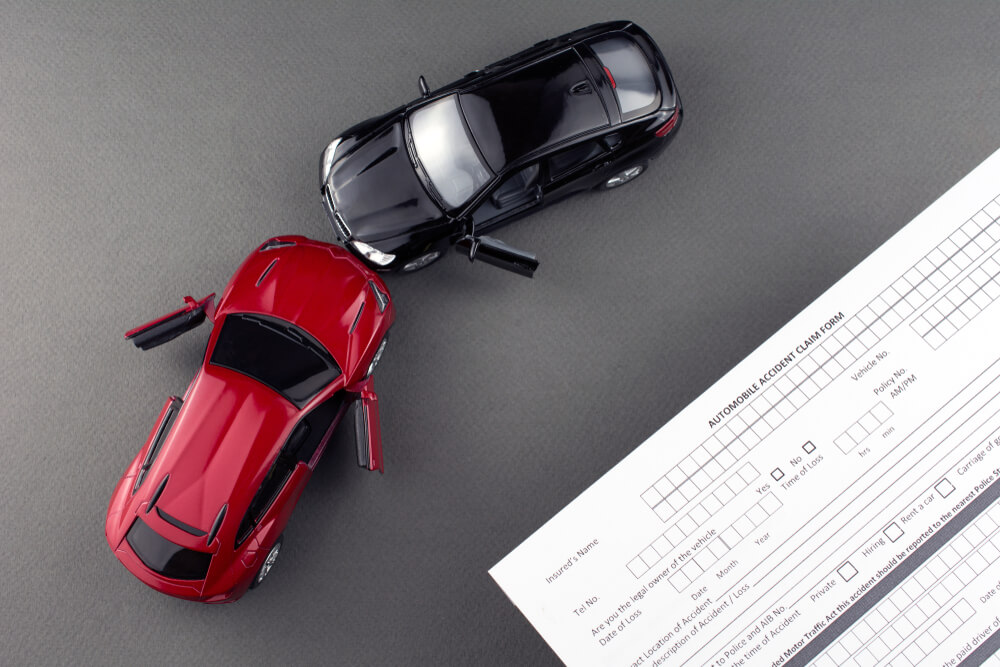
A broadside collision, sometimes called a side-impact or T-bone crash, occurs when one vehicle hits the side of another. Unlike a front-end or rear-end crash, this type of collision involves a direct hit to the side of the vehicle, often when a driver fails to yield or runs a red light at an intersection. The shape of this crash commonly resembles a capital T, which is where the term T-bone comes from.
Because the side of a vehicle offers less protection, these crashes often result in significant damage and severe injuries. The force of impact is concentrated where there are fewer structural reinforcements, increasing the chance of serious harm to anyone inside the vehicle.
Some of the most common consequences include:
It’s important to seek medical attention immediately following a broadside collision, even if no injuries are immediately obvious. Some conditions take time to surface, and early diagnosis can make a big difference in treatment and recovery.
Imagine that you are waiting patiently at a red light, resisting the temptation to look at your phone and become distracted. The light turns green, so you proceed forward through the intersection, as you have the right-of-way.
Suddenly, another vehicle slams into the driver’s side of your car, sending your car spinning in the intersection, hitting another vehicle. While you are in pain and confused at the scene, you later learn that the driver hit you because they ran their red light.
This is a highly common scenario in broadside collisions. Law enforcement officers might cite the driver for running the light or they might even arrest them for reckless driving. However, the penalties for such allegations will not help cover your medical bills and other losses.
You need to take action separately from any traffic or criminal charges the driver faces. You should consult a Glendale car accident lawyer to discuss your car accident claim.
Broadside collisions can happen anywhere, but certain locations are more prone to them. Some common areas where T-bone auto accidents occur include:
While these are some examples, broadside collisions aren’t limited to any one place. In many cases, the other vehicle appears out of nowhere, giving you no time to react.
Unlike the front or rear of a vehicle, the sides have much less protection and are vulnerable to impact. With only doors and windows to absorb the force of a collision, occupants on the side of the vehicle are at a higher risk of injury.
In a broadside crash, the impact can directly hit the driver or passenger, causing serious injuries such as broken bones, spinal cord injuries, or head trauma. In some cases, these injuries can be fatal.
That’s why it’s so important to have an experienced attorney on your side if you’ve been involved in a broadside crash. They can help you recover compensation for serious injuries.
As Glendale car accident lawyers, here are ten frequently asked questions we hear about broadside collisions:
A: The primary cause of broadside collisions is driver negligence, such as running red lights, failing to yield the right-of-way, or distracted driving.
A: In states with comparative negligence laws, you may still be eligible to recover compensation even if you were partially at fault. The amount of compensation awarded will be reduced by your percentage of fault.
A: It is advisable to consult with a lawyer experienced in personal injury law. They can guide you through the legal process, protect your rights, and help you pursue the compensation you deserve.
A: The statute of limitations for filing a personal injury lawsuit varies by state. In Arizona, the general statute of limitations for personal injury cases is two years from the date of the accident.
The Law Offices of John Phebus is here to provide you with the guidance and support you need after a broadside collision. To set up a free legal consultation so we can review your case, contact us right away.

This page has been written, edited, and reviewed by a team of legal writers following our comprehensive editorial guidelines. This page was approved by Attorney John Phebus, who has more than 20 years of legal experience as a personal injury attorney.
A crash on an Arizona roadway immediately creates confusion and financial strain. While you sort out repairs and recovery, strict filing deadlines move forward with no warning. Understanding how long...
Posted by John Phebus
Over the last few decades, golf cart use in Arizona has expanded rapidly. While golf carts have long been used on Arizona resort properties and other locations, they have historically been used f...
read morePosted by John Phebus
Being hit by another driver can leave you shaken, frustrated, and unsure where to turn. In those first chaotic moments, knowing what to do after a car accident not your fault can protect your hea...
read moreIf you or a loved one has been seriously injured, please fill out the form below for your free consultation or call us at (623) 267-9283


 623-267-9283