When you’re driving down the highway and see a truck weigh station ahead, you might wonder what exactly they are for and why they are needed. Truck weigh stations play a vital role in ensuring road safety and preventing accidents caused by overweight trucks.
In the event you are in a crash with a commercial truck, ensure you consult with an experienced Glendale truck accident lawyer immediately.
If you would like to discuss options on your case and how we can provide legal help, contact The Law Offices of John Phebus Criminal and Personal Injury Lawyer today
Established after the Federal-Aid Highway Act was passed in 1956, weigh stations became necessary to regulate the increasing vehicle weight and size. With the growth of the trucking industry, it became imperative to have designated locations where trucks can be weighed and inspected by DOT officers.
At weigh stations, trucks weighing over 10,000 pounds are required to stop. Here, they undergo a thorough inspection, including weight measurement and examination of their equipment. These inspections help to ensure that commercial vehicles are in compliance with the regulations set by the DOT. If a truck is found to be overweight, there can be fines, mandatory unloading of excess weight, or even imprisonment in some states.
In addition to weight inspections, DOT officers also check truck equipment, such as brakes, lights, and tires, to ensure they meet safety standards. They may also request to see the driver’s logbook, which records driving hours and rest periods. It is crucial for drivers to behave accordingly and cooperate with the DOT officers at weigh stations. By following the regulations, truckers contribute to the overall safety and efficiency of our transportation system.
Truckers do have the option to use bypass services or devices to avoid weigh station stops. These services and devices use advanced technology to assess a commercial vehicle’s weight and safety while it is in motion. When truckers are deemed compliant, they are given the green light to continue their journey without stopping, saving them time and improving efficiency in their operations.
Truck weigh stations are designated areas along highways where commercial trucks are required to stop and have their weight measured. These stations are equipped with scales that can determine if a truck is overweight or within the legal weight limits. But why are these weigh stations necessary?
One of the main reasons weigh stations exist is to ensure that trucks are not exceeding the weight limits set by the state. Just like the speed limit, the weight limit must also be adhered to. Overloaded trucks can cause significant damage to the roadways, resulting in costly repairs and maintenance. Additionally, overweight trucks pose a serious risk to other drivers on the road due to their reduced maneuverability and increased stopping distance.
Weigh stations are also crucial for enforcing weight regulations to protect the integrity of bridges and overpasses. These structures are designed to support a specific weight limit, and exceeding this limit can lead to structural damage or catastrophic collapses. By regularly monitoring truck weights, authorities can take proactive measures to prevent accidents and preserve the safety of our roadways.
The consequences are immediate and far-reaching when a truck exceeds legal weight limits at a weigh station. The driver is typically cited and fined, and in many cases, the vehicle is taken out of service until the load is reduced to comply with the law. These situations often result in delivery delays, financial penalties, and in some cases, reputational harm to the trucking company. So, what happens if a truck is overweight at a weigh station? Here’s how those consequences break down in more detail:
Even if the truck’s total weight falls within legal limits, exceeding the weight allowed on a specific axle can still result in fines and potential detention. That might sound minor, but to enforcement officers, it’s a serious infraction. These rules protect roads from damage and help maintain vehicle control.
Fines and penalties vary depending on the state. Those rules can be strict, with financial penalties that climb based on how much a truck exceeds legal weight limits in some States.
When violations begin to accumulate, the consequences become more severe. Trucking companies that continue to accumulate infractions could face the suspension of their authority to operate.
In more serious violations, particularly those involving egregious overloading, the vehicle may be impounded. That means it’s not just parked, it’s held at the owner’s expense, until legal matters are resolved.
Sometimes the only solution is to return the truck to the original shipper to redistribute or remove part of the load. That adds fuel costs, time lost on the road, and added strain for both logistics teams and customers expecting a delivery.
Sometimes, a second truck and driver may need to be dispatched to haul the excess cargo. That response often creates scheduling chaos and inflates transportation budgets for the carrier.
Before a truck even hits the road, it’s expected to comply with strict regulations. Weight enforcement is one area where Arizona takes commercial transport seriously. In Arizona, state law governs the weight limits for commercial trucks.
Our team understands how weigh station violations can turn into serious legal concerns. Whether you’re facing fines, enforcement actions, or compliance reviews, knowing what happens if a truck is overweight at a weigh station. It can make all the difference.
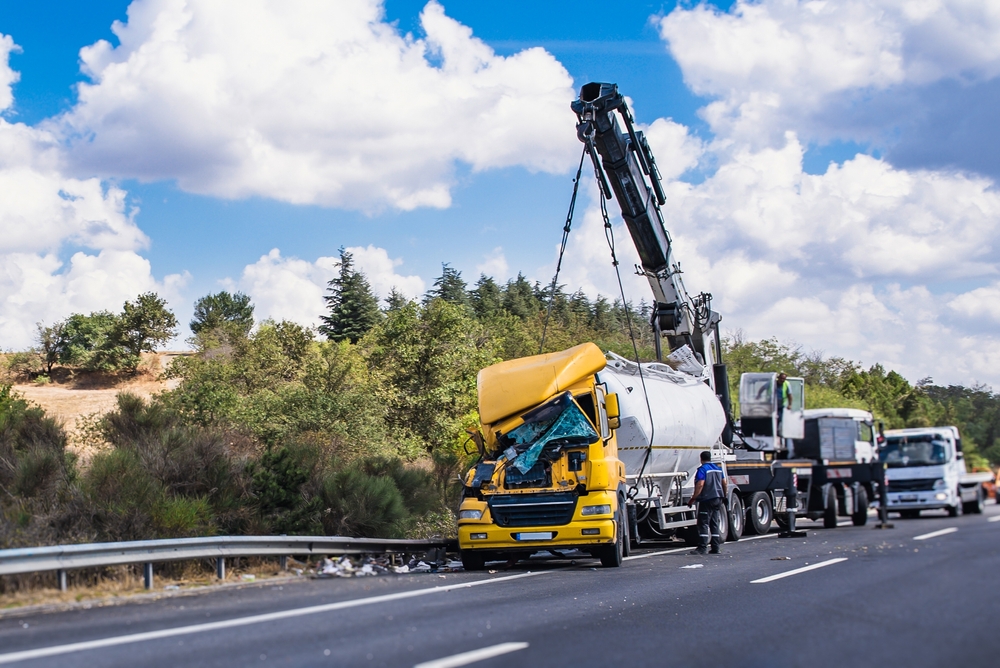
An excessively loaded truck becomes much harder to manage on the road. The additional weight can compromise balance and make the vehicle more prone to tipping over or losing control, especially during sudden maneuvers or while navigating curves. Stopping distances also increase significantly, which raises the chance of rear-end collisions.
The strain of the extra load doesn’t just affect handling—it also puts tremendous pressure on critical systems like brakes, tires, and suspension. These components are more likely to fail under excess stress, potentially leading to blowouts, brake malfunctions, or suspension damage.
Overloaded trucks pose significant safety risks to drivers and other vehicles on the road and can increase the risk of accidents. These mechanical failures combined with reduced control, dramatically heighten the danger on highways and urban routes alike.
If you would like to discuss options on your case and how we can provide legal help, contact The Law Offices of John Phebus Criminal and Personal Injury Lawyer today and connect with one of our highly experienced Glendale criminal defense attorneys.
If you or a loved one has been involved in an overweight truck accident, don’t hesitate to seek legal assistance. The aftermath of a truck accident can be overwhelming, with complicated legal proceedings and insurance negotiations. The experienced Glendale truck accident attorneys at the Law Offices of John Phebus are here to provide you with the guidance and support you need during this challenging time. To schedule a no-cost legal consultation and case review, contact us right away.
Experienced Criminal Defense Attorney
John Phebus is a seasoned criminal defense attorney with a strong focus on DUI defense, vehicular crimes, and serious criminal charges. He has fiercely advocated for clients throughout Arizona, working to protect their rights, driving privileges, and freedom. Known for his strategic approach and commitment to each case, John has achieved many successful outcomes for individuals facing complex criminal matters. If you’re looking for a knowledgeable and dedicated Glendale criminal defense lawyer who will fight for your future, John Phebus is here to help.
Years of experience: +30 years
Linkedin Profile: John Allen Phebus
Client Reviews
 1 month ago

John is an expert at what he does. If you need a great lawyer, he’s the one to call. He will guide you through difficult times with ease. His communication is excellent, always keeping you informed every step of the way. I’m grateful to have had John as my lawyer now I can move forward and leave this behind me. I highly recommend him 100%, so don’t hesitate to reach out. Thank you, John, for your dedication and hard work!
GBP Review: Luis Chavez

This page has been written, edited, and reviewed by a team of legal writers following our comprehensive editorial guidelines. This page was approved by Attorney John Phebus, who has more than 20 years of legal experience as a personal injury attorney.
Key Takeaways Consult a lawyer immediately after serious truck accident injuries, disputed fault, early insurance contact, or settlement pressure. Electronic logging device data and crash evi...
Posted by John Phebus
Key Takeaways Call 911 and seek medical evaluation within 24 hours. Photograph all vehicles, damage, road conditions, and the truck's DOT number. Collect witness and driver information...
read morePosted by John Phebus
A crash on an Arizona roadway immediately creates confusion and financial strain. While you sort out repairs and recovery, strict filing deadlines move forward with no warning. Understanding how ...
read moreIf you or a loved one has been seriously injured, please fill out the form below for your free consultation or call us at (623) 267-9283


 623-267-9283