When facing DUI charges, many people are surprised to learn that what besides alcohol can set off a breathalyzer may include various everyday substances. This is a crucial concern for Glendale residents, as substances ranging from over-the-counter medications to certain foods can trigger false positives on these devices. Here at the Law Offices of John Phebus, we understand how complex and sensitive DUI cases can be. We’re committed to providing clients with expert representation and clarity on how breathalyzers work—and the factors that might affect their results.
If you would like to discuss options on your case and how we can provide legal help, contact The Law Offices of John Phebus Criminal and Personal Injury Lawyer today
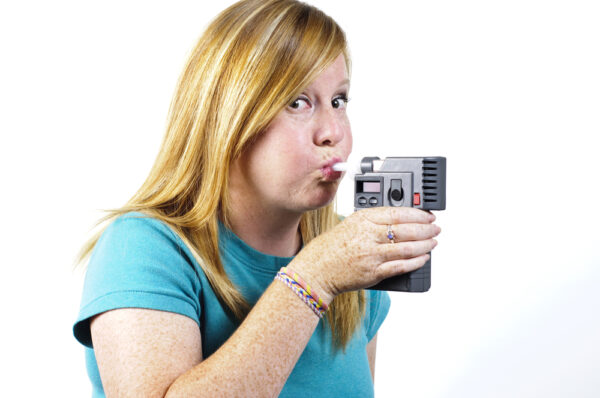
Breathalyzers are designed to detect alcohol in a person’s breath, but other substances can sometimes interfere with results. These devices measure blood alcohol concentration (BAC) by analyzing the amount of ethanol on the breath. However, some non-alcoholic compounds can mimic ethanol or create chemical reactions that cause similar readings. A false positive is possible for those who have consumed certain foods, used specific medications, or been exposed to environmental factors. Recognizing these factors can help prevent misunderstandings during a DUI stop and may be crucial to a legal defense in Glendale.
Numerous factors may contribute to false readings on a breathalyzer. These include individual biological differences, environmental influences, and other substances that interact with the device’s sensors.
Individual physiology can significantly impact how breathalyzers interpret results, leading to potential false positives. For instance, people with high ketone levels—generally due to low-carb diets, fasting, or diabetes—may produce acetone on their breath, which some devices might interpret as ethanol. Acetone, a type of ketone produced during fat metabolism, shares specific chemical characteristics with ethanol, which can sometimes be registered as alcohol on a breathalyzer device. In a DUI case, these biological differences could be an essential part of a defense, as they demonstrate how non-alcohol-related factors might influence the test results.
Environmental factors may also impact the accuracy. Exposure to volatile chemicals such as paint fumes, gasoline vapors, or certain cleaning products can cause false positives if inhaled shortly before a breathalyzer test. These substances contain compounds the device may detect as alcohol, temporarily skewing the results. If you’ve recently been in an area with strong chemical fumes, this exposure might affect your breathalyzer reading, potentially resulting in a misleading BAC level.
While breathalyzers are widely used and trusted by law enforcement, they have limitations. These devices measure breath alcohol but do not differentiate between ethanol from alcoholic drinks and chemically similar substances. This limitation means that certain items can inadvertently register as alcohol on a breathalyzer, complicating the situation for those who may not have consumed any alcohol at all. Understanding these limitations is essential, especially if you’re facing a DUI charge.
Certain non-alcoholic products and medications may also affect the results. Below are some common examples of items that might influence readings.
Many mouthwashes and oral hygiene products contain high alcohol levels, which can impact breathalyzer readings if used shortly before testing. Because mouthwash includes a significant amount of alcohol, even a quick rinse can leave residual traces in the mouth that might temporarily elevate BAC levels on a breathalyzer. This effect can last for several minutes after use, potentially leading to a misleading reading during a DUI stop. For individuals undergoing the tests, recent use of mouthwash could complicate results by causing a false positive due to mouth alcohol rather than blood alcohol.
Certain medications and over-the-counter drugs may also contain trace amounts of alcohol or compounds that can mimic alcohol. Cold medicines, cough syrups, and even some pain relievers have alcohol as an ingredient, which might register on a breathalyzer if taken shortly before testing. Some asthma inhalers contain a substance called albuterol, which can also affect the results due to its chemical composition.
Unexpectedly, some foods and beverages can trigger a breathalyzer reading. Fermented foods like kombucha, soy sauce, ripe fruits, and even bread can produce small amounts of ethanol during fermentation. Sometimes, consuming these items close to a breathalyzer test might result in a misleading BAC level. Although these false readings are typically short-lived, they can pose an issue if tested immediately after consumption.
If you’re concerned about how certain medications or substances might influence a breathalyzer test, knowing your rights is essential. DUI stops can be stressful, but knowing your options can help you handle the situation more confidently.
In Arizona, drivers have the option to refuse some forms of DUI testing, such as field sobriety tests, without facing immediate penalties. Still, the state’s implied consent law mandates that drivers submit to chemical testing if lawfully arrested. Refusing a breathalyzer test after arrest can lead to automatic penalties, so it’s fundamental to weigh the pros and cons carefully.
If you are arrested for DUI in Glendale, remember you have the right to a lawyer. Requesting legal representation before undergoing further testing can help guarantee your rights are protected and that the testing process is fair.
If you believe a breathalyzer result was inaccurate, you may have grounds to challenge it. Inaccuracies can stem from faulty devices, improper calibration, or the presence of non-alcoholic substances. Consulting a knowledgeable DUI attorney can help identify potential flaws in the evidence and build a solid defense.
An experienced DUI attorney can examine the circumstances surrounding your breathalyzer test and determine if any substances may have caused a false positive. They can also scrutinize police procedures to identify any errors or violations that could strengthen your defense.
In some cases, if a breathalyzer result was influenced by legally prescribed medication or over-the-counter substances, this information may be used to seek reduced charges or case dismissal. A DUI lawyer can present evidence of any non-alcoholic substances that may have affected your results and argue for a fair outcome.
Choosing an experienced DUI attorney can make a critical difference in your case. At the Law Offices of John Phebus, we offer:
Our team understands the complexities of DUI cases and is ready to provide the skilled defense you deserve.
DUI charges require an attorney who understands that alcohol can set off a breathalyzer. With a strong record in DUI defense, the Law Offices of John Phebus is ready to examine every detail to protect your rights. Contact us at (623) 847-7117 for a consultation.

This page has been written, edited, and reviewed by a team of legal writers following our comprehensive editorial guidelines. This page was approved by Attorney John Phebus, who has more than 20 years of legal experience as a personal injury attorney.

Understanding what happens when you get arrested for DUI in Buckeye, Arizona, is essential for protecting your rights and navigating the legal process effectively. A DUI arrest can be overwhelming, b...
Posted by John Phebus
Driving under the influence is a serious offense, and both "Operating Under the Influence" (OUI) and "Driving Under the Influence" (DUI) are legal terms tied to the impaired operation of vehicles...
read morePosted by John Phebus
Facing a DUI conviction in Scottsdale can feel complex since one of the most frequent questions that arises during the process is how long a DUI stays on your record. Whether you’re concerned a...
read moreIf you or a loved one has been seriously injured, please fill out the form below for your free consultation or call us at (623) 267-9283

 623-267-9283